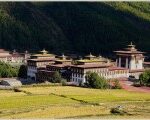
National Institute for Zorig Chusum, Thimphu: Bhutan’s School of Traditional Arts & Crafts
The National Institute for Zorig Chusum (NI-ZC) in Thimphu is Bhutan’s premier institution dedicated to preserving and teaching the country’s traditional arts and crafts. Commonly known as the “Painting School,” it is one of the most fascinating Bhutan tourist attractions for travelers interested in culture, craftsmanship, and authentic Bhutanese heritage.
For anyone exploring Thimphu sightseeing, this institute offers a unique opportunity to watch students mastering centuries-old skills that define Bhutan’s cultural identity.
About National Institute for Zorig Chusum
The National Institute for Zorig Chusum was established to preserve the 13 traditional arts and crafts of Bhutan, known as Zorig Chusum.
These arts include disciplines such as:
- Painting (Lhazo)
- Sculpture (Jinzo)
- Wood carving (Shingzo)
- Embroidery (Tshemzo)
- Calligraphy (Yigzo)
- Metal casting (Lugzo)
- Thangka painting
- Traditional weaving and textile arts
Students undergo years of intensive training to master these skills, ensuring Bhutan’s cultural traditions are passed down to future generations.
Why Visit National Institute for Zorig Chusum?
Witness Traditional Bhutanese Art in Action
One of the main highlights of visiting the institute is watching students create intricate paintings and sculptures using traditional methods. Visitors can see:
- Thangka paintings in progress
- Detailed Buddhist iconography
- Wood carving techniques
- Handmade statues of deities
- Fine textile and embroidery work
It is one of the most educational things to do in Thimphu.
Learn About Bhutan’s 13 Arts and Crafts
The institute offers insight into Bhutan’s rich cultural heritage through the 13 Zorig Chusum arts, which are essential to Bhutanese identity.
These arts are used in:
- Monasteries and dzongs
- Religious paintings and statues
- Traditional architecture
- Ritual objects and crafts
Authentic Cultural Experience
Unlike commercial art galleries, this is a working educational institute. Visitors can interact with students and observe the learning process, making it a truly authentic Bhutan cultural attraction.
History of National Institute for Zorig Chusum
The institute was established in 1971 by the Royal Government of Bhutan to preserve Bhutan’s traditional arts at a time when modernization threatened cultural heritage.
It was part of a broader national effort to protect Bhutanese identity while embracing development. Over the years, it has trained hundreds of artists who now work in monasteries, government projects, and cultural institutions across Bhutan.
Things to Do at National Institute for Zorig Chusum
- Observe students painting traditional Thangka art
- Watch wood carving and sculpture demonstrations
- Learn about Bhutan’s 13 traditional arts
- Explore exhibitions of student work
- Take photographs of artwork (where permitted)
- Interact with young Bhutanese artists
- Understand Bhutan’s cultural preservation efforts
Best Time to Visit
The institute is open year-round, but the best time to visit is:
- Morning hours: Students are actively working
- Weekdays: Regular classes in session
- Spring and autumn: Best weather for Thimphu sightseeing
Entry Fee
There is usually a small entry fee for visitors, which helps support the institute and its training programs. Fees may vary depending on visitor regulations.
How to Reach National Institute for Zorig Chusum
The institute is located in Thimphu city, making it easily accessible:
- 5–10 minutes from central Thimphu
- Taxi or walking distance from nearby attractions
- Often included in guided Thimphu city tours
Nearby Attractions
You can combine your visit with other top Thimphu attractions:
- Buddha Dordenma Statue
- Tashichho Dzong
- National Memorial Chorten
- Centenary Farmers Market
- Motithang Takin Preserve
- Changangkha Lhakhang
- Simply Bhutan Museum
- Clock Tower Square
Travel Tips
- Visit during school hours for best experience
- Be respectful when photographing students
- Avoid disturbing ongoing classes
- Ask permission before taking close-up photos
- Combine with nearby cultural sites in Thimphu
- Hire a local guide for deeper explanations of Zorig Chusum
Frequently Asked Questions
What is National Institute for Zorig Chusum famous for?
It is famous for teaching Bhutan’s 13 traditional arts and crafts and preserving Bhutanese cultural heritage.
Is it worth visiting?
Yes, it is one of the most insightful Bhutan tourist attractions, especially for those interested in art, culture, and history.
How much time is needed?
Most visitors spend 30–60 minutes exploring classrooms and exhibitions.
What does Zorig Chusum mean?
It means the “Thirteen Traditional Arts and Crafts” of Bhutan.