Discover the traditions, culture, and daily routines that make Bhutan one of the world’s most fascinating destinations.
When people dream of visiting Bhutan, they often imagine cliffside monasteries, snow-capped Himalayan peaks, and the iconic Tiger’s Nest Monastery. While these attractions are undeniably spectacular, the true magic of Bhutan lies in its people and their way of life.
Unlike many destinations that have rapidly modernized, Bhutan has carefully preserved its cultural identity, traditions, and values. For travelers seeking meaningful experiences, understanding traditional Bhutanese life offers a unique glimpse into a society where happiness, community, and spirituality remain central to everyday living.
What Is Daily Life Like in Bhutan?
Daily life in Bhutan varies between urban centers such as Thimphu and rural villages scattered across the mountains. However, several values unite Bhutanese society:
- Strong family bonds
- Deep respect for Buddhist traditions
- Community cooperation
- Environmental stewardship
- Preservation of cultural heritage
Life moves at a gentler pace compared to many parts of the world. While Bhutan embraces modern technology and development, many traditions remain deeply rooted in everyday life.
For visitors, this balance between tradition and progress is one of the most fascinating aspects of Bhutan.
Family and Community: The Heart of Bhutanese Society
Family plays a central role in Bhutanese life. Many households include multiple generations living together, and family gatherings remain an important part of social life.
In rural communities, neighbors frequently help one another during planting seasons, harvests, construction projects, and religious events.
Visitors often remark on the warmth and hospitality of Bhutanese people. It is common to be welcomed with tea, offered local food, and invited to learn about local customs.
This strong sense of community creates an atmosphere that many travelers find both refreshing and inspiring.
Traditional Bhutanese Homes
Traveling through Bhutan’s valleys reveals some of the most distinctive architecture in the Himalayas.
Traditional homes typically feature:
- Whitewashed walls
- Ornately carved wooden windows
- Colorful Buddhist paintings
- Handcrafted decorations
- Prayer rooms and family altars
Many homes are designed to accommodate both family life and agricultural activities.
Staying in a traditional farmhouse is one of the best ways for travelers to experience authentic Bhutanese culture firsthand.
The Role of Buddhism in Everyday Life
Buddhism is not simply a religion in Bhutan—it is a way of life.
Throughout the country, travelers encounter:
- Prayer flags fluttering across mountain passes
- Prayer wheels lining village paths
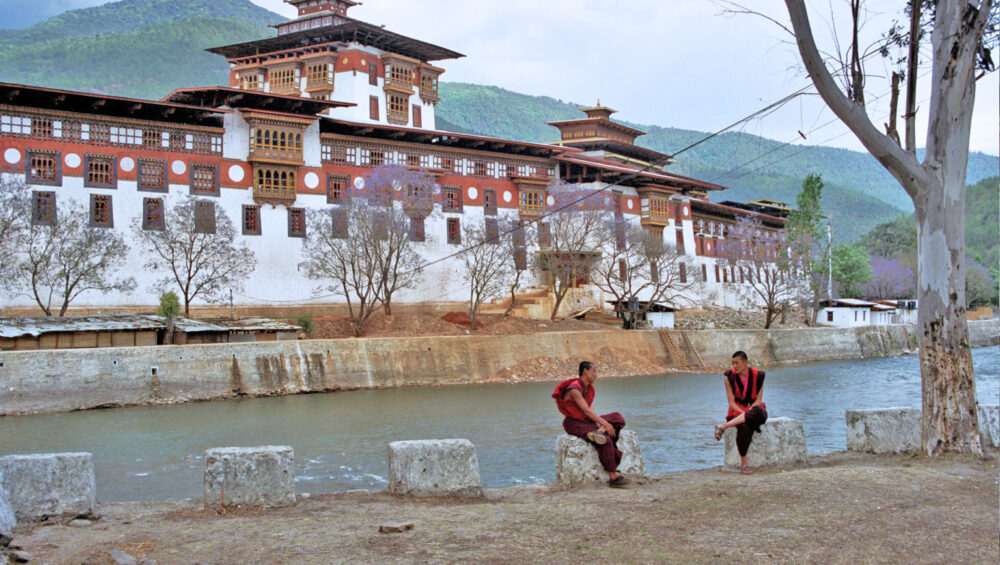
- Monasteries perched on hillsides
- Daily rituals performed by families
Many Bhutanese begin their mornings with prayers, visits to temples, or offerings at household shrines.
The values of compassion, mindfulness, and respect for all living beings influence many aspects of Bhutanese society, from personal relationships to environmental conservation.
For visitors, Bhutan often feels remarkably peaceful because spirituality is deeply integrated into everyday life.
Traditional Dress: A Living Cultural Heritage
One of the most visible aspects of Bhutanese culture is traditional clothing.
The Gho
The Gho is worn by Bhutanese men and consists of a knee-length robe secured with a belt.
The Kira
The Kira is worn by Bhutanese women and is an elegant ankle-length garment often paired with colorful jackets and jewelry.
Unlike many countries where traditional dress is reserved for festivals, Bhutanese people regularly wear national attire to schools, government offices, ceremonies, and formal events.
For travelers, seeing traditional clothing in daily use highlights Bhutan’s commitment to preserving its cultural identity.
Farming and Rural Life in Bhutan
Agriculture remains a vital part of Bhutanese life.
Many families depend on farming for their livelihoods, particularly in rural regions.
Common agricultural activities include:
- Rice cultivation
- Potato farming
- Apple orchards
- Buckwheat production
- Vegetable farming
- Yak herding in high-altitude areas
Travelers visiting rural communities often witness traditional farming methods that have been practiced for generations.
These agricultural landscapes not only support local communities but also contribute to Bhutan’s stunning scenery.
Bhutanese Food: Simple, Fresh, and Flavorful
Food is an essential part of Bhutanese culture and hospitality.
The most famous dish is Ema Datshi, made from chili peppers and local cheese.
Other popular dishes include:
- Red Rice
- Phaksha Paa (pork with chilies)
- Jasha Maru (spicy chicken stew)
- Kewa Datshi (potatoes and cheese)
- Hoentay (buckwheat dumplings)
Meals are often prepared using locally sourced ingredients and shared among family members.
Visitors frequently discover that Bhutanese cuisine is both unique and memorable, especially for those who enjoy spicy food.
Archery: Bhutan’s National Sport
Archery is far more than a sport in Bhutan—it is an important social and cultural tradition.
Local tournaments attract entire communities and often include:
- Traditional songs
- Dancing
- Friendly competition
- Community celebrations
Targets are placed at remarkable distances, making Bhutanese archery particularly impressive to watch.
Attending an archery match offers travelers an authentic glimpse into Bhutanese social life.
Festivals: Celebrating Bhutan’s Living Culture
Bhutan’s famous Tshechus are among the most colorful cultural events in Asia.
These religious festivals feature:
- Sacred mask dances
- Traditional music
- Elaborate costumes
- Community gatherings
- Spiritual blessings
Major festivals take place throughout the year in various regions of Bhutan.
Many travelers plan their visits around these celebrations because they provide unparalleled insight into Bhutanese culture and traditions.
Education and Modern Life in Bhutan
While Bhutan maintains strong cultural traditions, it has also made significant investments in education and development.
Today’s Bhutanese youth often balance:
- Modern education
- Technology
- Traditional values
- Cultural preservation
In cities such as Thimphu and Paro, visitors can observe this fascinating blend of old and new, where traditional architecture stands alongside modern businesses and cafes.
Why Travelers Are Drawn to Bhutan’s Way of Life
Many destinations offer beautiful landscapes, but few provide the opportunity to experience a culture that remains so deeply connected to its heritage.
Travelers visit Bhutan because they want to:
- Experience authentic culture
- Learn about Buddhist traditions
- Explore rural communities
- Escape mass tourism
- Connect with local people
- Discover a different way of life
Bhutan’s commitment to preserving its traditions creates experiences that are increasingly rare in today’s fast-changing world.
How Visitors Can Experience Traditional Bhutanese Life
If you want to experience authentic Bhutan during your trip, consider:
- Staying in traditional farmhouses
- Visiting local villages
- Attending a Tshechu festival
- Trying Bhutanese cuisine
- Watching an archery match
- Visiting monasteries and temples
- Interacting with local families
These experiences often become the most meaningful memories of a Bhutan journey.
Experience Authentic Bhutan with Maebar Travel
At Maebar Travel, we believe that the best way to discover Bhutan is through its people and traditions.
Our carefully designed tours allow travelers to experience authentic Bhutanese life through cultural encounters, village visits, traditional farmhouses, local festivals, and immersive experiences that go beyond the usual tourist trail.
Whether you are visiting Bhutan for the first time or returning to explore more deeply, we can help you experience the heart of the Kingdom.
Final Thoughts
Traditional Bhutanese life is a remarkable blend of community, spirituality, culture, and simplicity.
For travelers seeking more than just sightseeing, Bhutan offers a rare opportunity to connect with a living culture that continues to thrive in the modern world.
The country’s traditions, values, and way of life are what truly set Bhutan apart—and they are often what visitors remember long after their journey ends.