Best Time to Visit Bhutan: A Local Guide for Weather, Festivals, Trekking & Budget Travel
Planning a trip to Bhutan and wondering when to go? Before choosing your dates, explore our Bhutan Tour Packages designed around different seasons, interests, and travel styles.
As a Bhutanese tour operator, this is one of the questions we hear almost every day. The answer isn’t as simple as choosing the “best” month. Bhutan changes dramatically with the seasons, and the experience you have in April can feel completely different from a visit in July or January.
Some travelers dream of seeing snow-capped Himalayan peaks under crystal-clear skies. Others want to experience colorful Buddhist festivals, hike through rhododendron forests, photograph ancient monasteries, or simply enjoy a peaceful journey away from crowds.
The good news is that Bhutan can be visited year-round. The best time depends on what kind of traveler you are and what you hope to experience.
In this guide, we’ll share local insights on Bhutan’s weather, festivals, trekking seasons, travel costs, and the pros and cons of each time of year so you can choose the perfect season for your trip.
Quick Answer: When Is the Best Time to Visit Bhutan?
For most travelers, the best months to visit Bhutan are:
March to May (Spring)
September to November (Autumn)
These seasons offer:
- Comfortable temperatures
- Excellent mountain visibility
- Beautiful landscapes
- Major cultural festivals
- Ideal trekking conditions
Many first-time visitors choose our Bhutan Cultural Tours to experience the country’s monasteries, traditions, and local way of life.
Spring in Bhutan (March to May)
Spring is one of the most beautiful times to travel in Bhutan.
As winter fades, valleys become green, forests burst into color, and mountain slopes are covered in blooming rhododendrons. Temperatures are pleasant during the day, making sightseeing and hiking comfortable.
One of the things visitors often tell us after a spring trip is how alive Bhutan feels during this season. Farmers begin working their fields, monasteries become busier, and the countryside is filled with vibrant colors.
Why Travelers Love Bhutan in Spring
- Clear views of the Himalayas
- Flowering rhododendron forests
- Comfortable temperatures
- Excellent photography conditions
- Major cultural festivals
Spring is particularly popular for:
- First-time Bhutan visitors
- Honeymoon couples
- Cultural tours
- Photography trips
- Luxury travel experiences
Local Tip
Late March through April is often the sweet spot. You’ll enjoy blooming landscapes while avoiding some of the larger autumn crowds.
Bhutan Festivals in Spring
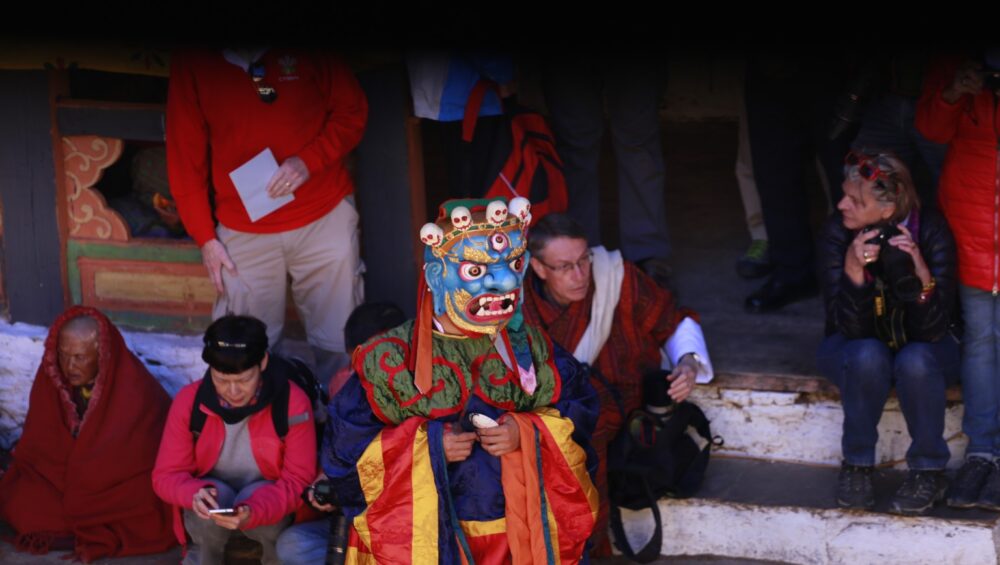
One of the highlights of spring is the famous Paro Tshechu.
For several days, locals from across the country gather in traditional dress to witness sacred masked dances, receive blessings, and celebrate Bhutanese culture.
Many visitors describe attending a tshechu as one of the most memorable experiences of their trip because it offers a rare glimpse into Bhutan’s living Buddhist traditions.
If cultural immersion is important to you, spring is hard to beat.
Summer in Bhutan (June to August)
Summer is Bhutan’s monsoon season, and many travelers automatically dismiss it.
However, that can be a mistake.
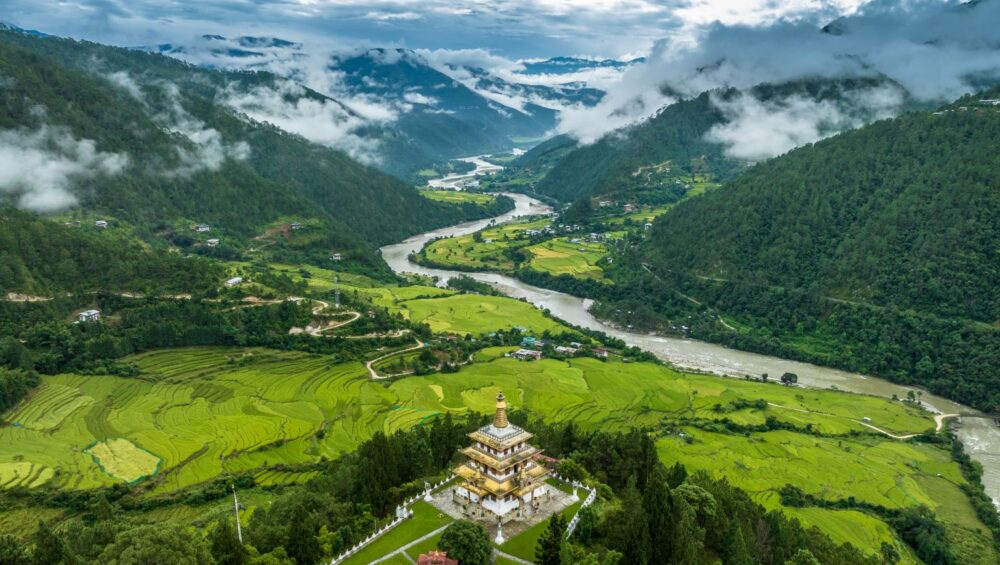
While rainfall is more frequent, summer reveals a side of Bhutan that many visitors never see. Rice terraces become emerald green, forests are lush, waterfalls are at their strongest, and tourist numbers drop significantly.
Is Summer Worth Visiting?
Yes, especially if you value:
- Lower travel costs
- Fewer tourists
- Greener landscapes
- More authentic local experiences
The main trade-off is weather uncertainty. Some days may be sunny and beautiful, while others bring afternoon rain showers.
Local Tip
Punakha often remains a great destination during the monsoon season because of its lower elevation and lush scenery.
Autumn in Bhutan (September to November)
If we had to choose the most popular season among international travelers, it would be autumn.
This is when Bhutan enjoys clear blue skies, crisp mountain air, and some of the best Himalayan views of the year.
Photographers, trekkers, and nature lovers often consider autumn the perfect season to visit.
Why Autumn Is So Popular
- Exceptional mountain visibility
- Dry weather
- Comfortable temperatures
- World-class trekking conditions
- Major cultural festivals
This season is ideal for travelers hoping to see Bhutan’s dramatic mountain scenery at its best.
Best Time for Trekking in Bhutan
For trekking enthusiasts, autumn is generally the top choice.
Popular routes such as the Druk Path Trek, Jomolhari Trek, and Dagala Thousand Lakes Trek offer spectacular conditions during these months.
The trails are usually dry, visibility is excellent, and the mountain views can be breathtaking.
Many experienced hikers specifically plan their Bhutan trip around October because it often provides the most reliable trekking weather.
Winter in Bhutan (December to February)
Winter is Bhutan’s most underrated season.
While temperatures can be cold in the mornings and evenings, sunny days are common and many popular destinations remain pleasant for sightseeing.
The biggest advantage?
Space.
You’ll find fewer visitors at monasteries, viewpoints, and cultural sites, allowing for a more peaceful travel experience.
Why Consider Bhutan in Winter?
- Lower hotel rates
- Fewer tourists
- Peaceful monasteries
- Beautiful mountain views
- Better availability for guides and accommodations
Travelers who enjoy slow travel often discover that winter offers a more intimate side of Bhutan.
Local Tip
Punakha is usually much warmer than Thimphu and Paro during winter, making it an excellent addition to a winter itinerary.
Cheapest Time to Visit Bhutan
If budget is your primary concern, consider traveling during:
- January
- February
- June
- July
- August
During these periods you may find:
- Better hotel deals
- More flexible itineraries
- Greater availability
- Fewer crowds
Which Season Is Right for You?
Choose Spring if you want:
- Flowers and festivals
- Mild temperatures
- Great photography opportunities
Choose Summer if you want:
- Fewer tourists
- Green landscapes
- Budget-friendly travel
Choose Autumn if you want:
- The best trekking conditions
- Clear Himalayan views
- Major cultural festivals
Choose Winter if you want:
- Quiet travel experiences
- Better value
- Peaceful monasteries and cultural sites
Final Thoughts
There is no single best time to visit Bhutan.
The real question is: what kind of experience are you looking for?
Some travelers fall in love with Bhutan’s colorful spring festivals. Others prefer autumn’s crystal-clear mountain views. Many are surprised by the peaceful charm of winter or the lush beauty of the monsoon season.
No matter when you visit, Bhutan offers something increasingly rare in today’s world: authentic culture, pristine landscapes, and a slower pace of life.
If you’re planning a Bhutan trip anytime soon and aren’t sure which season is right for you, our local experts can help you choose the best itinerary based on your interests, travel style, and budget. Explore our Bhutan Tour Packages or contact us to start planning your journey.