Eastern Bhutan Travel: A Guide to the Road Less Traveled
When people start planning a trip to Bhutan, they usually picture the famous Tiger’s Nest Monastery, the beautiful Punakha Dzong, the capital city of Thimphu, and the peaceful valleys of western Bhutan.
And for good reason. These places are extraordinary and offer a wonderful introduction to the Kingdom.
But there is another side of Bhutan that many international travellers never get to experience.
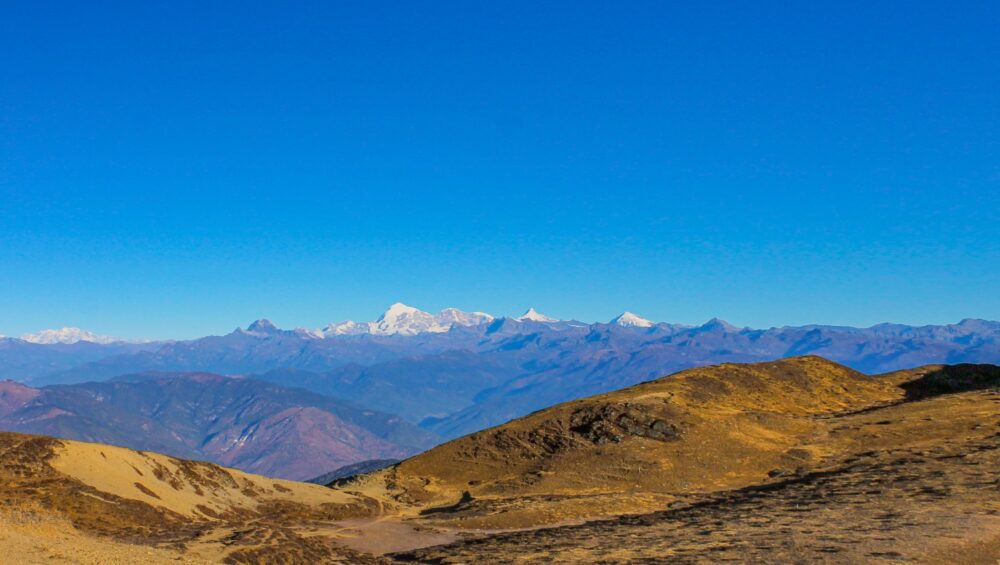
Far beyond the familiar tourist routes, Eastern Bhutan offers something quite different. Here, mountain roads wind through dramatic landscapes, traditional villages remain closely connected to their heritage, ancient monasteries sit quietly above valleys, and local communities continue traditions that have been passed down through generations.
From the weaving villages of Lhuentse to the remote highlands of Merak and Sakteng, Eastern Bhutan is a destination for travellers who want to discover a more authentic and less-visited side of the country.
It is not necessarily the easiest region to explore, and that is part of its appeal.
The distances are longer, the roads are winding, and the journey requires time. But for those willing to travel farther, Eastern Bhutan offers some of the most rewarding cultural and scenic experiences in the Himalayas.
If you are considering an Eastern Bhutan tour, this guide will introduce you to the region’s highlights, places worth visiting, cultural experiences, and practical travel tips to help you plan your journey.
Why Visit Eastern Bhutan?
Eastern Bhutan feels different from the western part of the country.
While destinations such as Paro, Thimphu, and Punakha are popular with first-time visitors, eastern Bhutan receives fewer international travellers. This gives the region a quieter atmosphere and allows visitors to experience a different rhythm of Bhutanese life.
The landscapes gradually change as you travel east. You pass through forested mountains, deep river valleys, traditional settlements, and winding roads that reveal beautiful views around almost every corner.
But the real attraction is not only the scenery.
Eastern Bhutan is home to distinctive cultural traditions, traditional weaving communities, historic monasteries, and villages where everyday life remains closely connected to the land.
Travellers can experience:
- Traditional Bhutanese weaving and craftsmanship
- Remote Himalayan villages and mountain communities
- Ancient monasteries and religious heritage
- Beautiful forests, rivers, and mountain landscapes
- Unique local food and regional traditions
- Wildlife and birdwatching opportunities
- Cultural encounters with local communities
For travellers who have already explored western Bhutan, or those planning a longer journey through the country, Eastern Bhutan offers a completely different perspective.
Best Places to Visit in Eastern Bhutan
If you are planning an Eastern Bhutan itinerary, there are several destinations worth including. Each offers something different, from traditional arts and crafts to remote mountain communities and important religious sites.
1. Mongar – The Gateway to Eastern Bhutan
Mongar is often one of the first major destinations travellers encounter when entering eastern Bhutan from the central region.
Set among beautiful mountain landscapes, Mongar offers an introduction to the distinctive culture and scenery of eastern Bhutan.
One of the most interesting places to visit is Mongar Dzong.
Unlike some of Bhutan’s older dzongs, Mongar Dzong was constructed in the twentieth century. Despite its relatively recent history, it reflects the traditional architectural style of Bhutanese fortress-monasteries.
The town itself provides an interesting glimpse into everyday life in eastern Bhutan. Local markets, traditional shops, and surrounding villages offer opportunities to experience a quieter side of the Kingdom.
What makes Mongar special:
- Visit the impressive Mongar Dzong
- Enjoy panoramic mountain scenery
- Explore local markets and traditional settlements
- Experience eastern Bhutanese culture
- Discover the landscapes along the journey east
Mongar is also a convenient starting point for exploring other eastern destinations.
2. Trashigang – Discover the Cultural Heart of Eastern Bhutan
Trashigang is one of the most important towns in eastern Bhutan and a destination that deserves more attention from international travellers.
Surrounded by mountains and deep valleys, it has long served as an important cultural and administrative centre for the region.
The highlight is Trashigang Dzong, which stands dramatically above the surrounding valley.
Built in the seventeenth century, the dzong has played an important role in the religious and administrative history of eastern Bhutan.
Another fascinating place nearby is Gom Kora, an important religious site associated with Guru Rinpoche. The temple is set in a beautiful landscape beside the river and attracts pilgrims throughout the year.
For travellers interested in Bhutanese history and Buddhist traditions, Trashigang offers a meaningful cultural experience.
Things to experience in Trashigang:
- Visit the historic Trashigang Dzong
- Explore Gom Kora
- Walk through traditional villages
- Learn about local customs and religious traditions
- Enjoy the dramatic mountain scenery
Trashigang also provides access to the remote highland communities of Merak and Sakteng.
3. Lhuentse – Home of Bhutan’s Traditional Weaving Heritage
If you are interested in Bhutanese textiles and traditional craftsmanship, Lhuentse is a destination you should not miss.
Often considered one of the country’s most important weaving regions, Lhuentse is particularly famous for the intricate textiles produced in Khoma village.
Khoma is renowned for Kishuthara, a highly valued silk textile traditionally woven by skilled Bhutanese women.
The weaving process requires considerable patience, knowledge, and craftsmanship. Patterns are created through intricate techniques that have been preserved across generations.
For visitors, seeing the weaving process provides a fascinating opportunity to understand the cultural importance of Bhutanese textiles.
Rather than simply purchasing a souvenir, you can learn about the people, skills, and traditions behind each piece.
Why visit Lhuentse?
- Discover the traditional weaving village of Khoma
- Learn about Kishuthara textiles
- Meet local artisans, where visits can be arranged
- Explore Lhuentse Dzong
- Experience traditional rural Bhutanese life
Lhuentse is particularly rewarding for travellers interested in culture, heritage, photography, and traditional arts.
4. Trashiyangtse – Traditional Crafts and Spiritual Heritage
Trashiyangtse is one of the most fascinating destinations in Eastern Bhutan.
Located in a beautiful valley surrounded by forested hills, it is known for its traditional craftsmanship, religious heritage, and peaceful atmosphere.
One of its most important landmarks is Chorten Kora, a large white stupa inspired by the famous Boudhanath Stupa in Nepal.
The monument is an important pilgrimage site, particularly during the annual Chorten Kora festival, when devotees gather to receive blessings and participate in religious celebrations.
Trashiyangtse is also known for traditional woodcraft.
The region has a long history of producing wooden bowls, containers, and other handcrafted objects. These traditional crafts reflect the artistic skills and cultural identity of the local communities.
Things to explore in Trashiyangtse:
- Visit Chorten Kora
- Discover traditional woodcraft and local artisans
- Explore the peaceful valley
- Experience local religious traditions
- Visit nearby villages and scenic landscapes
For travellers seeking a deeper cultural experience, Trashiyangtse is one of the most rewarding places to include in an Eastern Bhutan tour.
5. Merak and Sakteng – Experience the Remote Eastern Highlands
Few experiences in Bhutan feel as remote and distinctive as travelling to Merak and Sakteng.
Located in the highlands of eastern Bhutan, these communities are home to the Brokpa people, whose traditional lifestyle has long been connected to yak herding, mountain agriculture, and the surrounding environment.
The region is particularly interesting because of its distinctive culture, traditional clothing, and way of life.
Unlike the more familiar destinations in western Bhutan, Merak and Sakteng offer visitors an opportunity to experience communities whose traditions have developed in close connection with their high-altitude surroundings.
The journey itself is an adventure.
You travel through mountain landscapes, highland settlements, forests, and open valleys before reaching these remote communities.
What makes Merak and Sakteng special:
- Discover the unique culture of the Brokpa people
- Experience remote Himalayan villages
- Learn about traditional yak herding
- Explore beautiful highland landscapes
- Enjoy opportunities for village walks and cultural encounters
For travellers looking for something beyond conventional sightseeing, Merak and Sakteng are among the most memorable destinations in Eastern Bhutan.
Because these communities are remote and access arrangements may apply, it is important to plan the journey with a knowledgeable local tour operator.
6. Bumdeling Valley – A Special Place for Nature and Birdwatching
For nature lovers, Bumdeling Valley in Trashiyangtse offers another reason to explore eastern Bhutan.
The valley is particularly important for its natural environment and wildlife.
It is known for the seasonal arrival of Black-necked Cranes, which migrate to Bhutan from the Tibetan Plateau during the colder months.
These beautiful birds are an important part of Bhutan’s natural heritage and are protected through conservation efforts.
Bumdeling Wildlife Sanctuary also provides opportunities to appreciate the region’s forests, biodiversity, and natural landscapes.
If you enjoy photography, birdwatching, or peaceful nature experiences, Bumdeling is well worth considering.
Best experiences in Bumdeling include:
- Seasonal Black-necked Crane watching
- Nature walks
- Wildlife photography
- Exploring traditional settlements
- Enjoying the peaceful valley scenery
If seeing the Black-necked Cranes is important to you, plan your visit around their winter migration period, generally from autumn into spring, and check local conditions before travelling.
What Makes Eastern Bhutan Different from Western Bhutan?
Both western and eastern Bhutan offer wonderful travel experiences, but they appeal to slightly different interests.
Western Bhutan is often the best introduction for first-time visitors. It offers famous landmarks, established tourism facilities, iconic monasteries, and convenient access to the country’s main international airport.
Eastern Bhutan, on the other hand, is ideal for travellers who want to explore beyond the usual highlights.
Here is a simple comparison:
| Western Bhutan | Eastern Bhutan |
|---|---|
| Popular cultural landmarks | Less-visited cultural destinations |
| Established tourist routes | Longer and more remote journeys |
| Tiger’s Nest and Punakha Dzong | Merak, Sakteng and Chorten Kora |
| Major towns and tourism centres | Traditional villages and smaller communities |
| Well-known attractions | Local craftsmanship and regional traditions |
This does not mean one region is better than the other.
In fact, combining western, central, and eastern Bhutan is one of the best ways to understand the country’s cultural and geographical diversity.
Best Time to Visit Eastern Bhutan
Eastern Bhutan can be visited at different times of the year, but the best season depends on the experiences you want.
Spring (March to May)
Spring is a beautiful time to explore eastern Bhutan.
Temperatures are generally pleasant, forests become greener, and the surrounding landscapes are filled with seasonal colours.
It is a good time for cultural sightseeing, village visits, photography, and exploring traditional settlements.
Summer (June to August)
Summer is the monsoon season in Bhutan.
Eastern Bhutan can experience significant rainfall, which may affect road conditions and travel schedules.
However, the countryside becomes beautifully green, rivers are full, and forests look particularly vibrant.
Travellers visiting during this season should remain flexible and allow extra time for road journeys.
Autumn (September to November)
Autumn is one of the most rewarding seasons for travelling through Bhutan.
The weather generally becomes drier, and the landscapes offer excellent opportunities for photography and sightseeing.
It is also a good time to explore the highlands, although conditions can vary depending on altitude.
Winter (December to February)
Winter brings colder temperatures, particularly in the higher-altitude communities of Merak and Sakteng.
However, it can be a rewarding time for travellers interested in traditional village life and seasonal wildlife experiences.
Bumdeling is especially interesting during the Black-necked Crane migration season.
Our local travel tip: If you are planning to explore several eastern destinations, spring and autumn are generally good starting points. However, always consider the weather, road conditions, altitude, and any festival dates before finalising your itinerary.
How Many Days Do You Need to Explore Eastern Bhutan?
One of the most important things to understand about Eastern Bhutan is that it takes time to explore properly.
Although the distances may not appear very large on a map, Bhutan’s mountainous terrain means that journeys between destinations can take several hours.
A rushed itinerary may leave you spending more time travelling than experiencing the places themselves.
For travellers who want to explore the main eastern destinations, we recommend allowing at least 7–10 days for a more focused regional journey, depending on the route and starting point.
If you want to include Merak and Sakteng, additional time should be considered.
For a more comprehensive Bhutan journey combining western, central, and eastern regions, a two-to-three-week itinerary is a much better option.
A longer journey allows you to experience:
- Paro and the iconic Tiger’s Nest Monastery
- Thimphu and Bhutanese cultural landmarks
- Punakha and its beautiful valley
- Trongsa and Bumthang
- Mongar and Trashigang
- Lhuentse and Trashiyangtse
- Merak and Sakteng
- Samdrup Jongkhar, depending on your onward travel plans
Practical Travel Tips for Visiting Eastern Bhutan
Travelling through eastern Bhutan is an unforgettable experience, but a little preparation makes the journey much more comfortable.
Here are some things to consider before you go.
1. Allow Enough Time for Road Travel
Eastern Bhutan is reached through long mountain journeys.
Do not underestimate travel times, especially when travelling between central Bhutan and the eastern districts.
Allow enough time for scenic stops, road conditions, and unexpected changes.
2. Pack for Changing Weather
Temperatures can vary considerably between lower valleys and highland communities.
Bring comfortable walking shoes, warm clothing, a rain jacket, sunscreen, and layers that can be added or removed throughout the day.
3. Be Prepared for Remote Areas
Some parts of eastern Bhutan have fewer hotels, restaurants, and modern facilities than western Bhutan.
Accommodation options may be more limited, particularly around remote villages.
Planning ahead is important.
4. Respect Local Traditions and Communities
Eastern Bhutan is home to communities with distinctive cultural identities and traditions.
When visiting villages, religious sites, and traditional homes, dress respectfully and ask permission before taking photographs of people.
A local guide can help explain customs and ensure that cultural visits are respectful and meaningful.
5. Travel With a Local Guide
A knowledgeable local guide can make a significant difference when exploring eastern Bhutan.
Beyond arranging transportation and sightseeing, a guide can explain the history of monasteries, introduce you to local traditions, and help you understand the cultural significance of the places you visit.
This becomes particularly valuable when visiting remote communities such as Merak and Sakteng.
Why Travel Eastern Bhutan With Maebar Travel?
Exploring Eastern Bhutan is about much more than reaching a destination.
It is about understanding the region, meeting its people, appreciating its traditions, and allowing enough time to experience the places along the way.
At Maebar Travel, we believe that the best Bhutan journeys are those that go beyond the usual sightseeing route.
As a locally based Bhutanese tour operator, we understand the country’s landscapes, communities, travel routes, and cultural experiences.
We can help you plan a journey that combines the famous highlights of Bhutan with the lesser-known destinations of the east.
Our Bhutan tours can be arranged around:
- Private and customised itineraries
- Experienced local guides
- Comfortable private transportation
- Cultural and village experiences
- Traditional arts and crafts
- Nature and wildlife experiences
- Visits to remote destinations
- Longer cross-country journeys
If you are interested in exploring the country from west to east, our 22-day Bhutan Nationwide Tour is an excellent option to consider.
The journey includes Paro, Thimphu, Punakha, Trongsa, Bumthang, Mongar, Trashigang, Merak, Sakteng, and Trashiyangtse before continuing towards Samdrup Jongkhar.
It offers a wonderful opportunity to experience Bhutan’s changing landscapes and cultural diversity in one journey.
You can also explore our Eastern Bhutan destination guide for more information about the region.
Frequently Asked Questions About Eastern Bhutan Travel
Is Eastern Bhutan worth visiting?
Absolutely. Eastern Bhutan is ideal for travellers interested in authentic cultural experiences, traditional villages, local craftsmanship, remote mountain landscapes, and destinations beyond the usual tourist route.
What are the best places to visit in Eastern Bhutan?
Some of the best places include Mongar, Trashigang, Lhuentse, Trashiyangtse, Merak, Sakteng, and Bumdeling Valley. Each destination offers a different combination of culture, nature, history, and local traditions.
How do I get to Eastern Bhutan?
Most international travellers arrive through Paro International Airport and travel east by road through Thimphu, Punakha, Trongsa, and Bumthang.
The journey is long but offers some of Bhutan’s most beautiful mountain scenery.
How many days should I spend in Eastern Bhutan?
For a focused Eastern Bhutan journey, around 7–10 days is a useful starting point, depending on the destinations included. If you are combining eastern Bhutan with western and central Bhutan, consider two to three weeks.
Can I visit Merak and Sakteng?
Yes. Merak and Sakteng can be included in a planned Bhutan tour. Because these are remote highland communities, travel arrangements, local access requirements, road conditions, and accommodation should be checked in advance.
What is the best time to visit Eastern Bhutan?
Spring (March to May) and autumn (September to November) are generally good seasons for sightseeing and cultural travel. Winter is particularly interesting for visitors hoping to see Black-necked Cranes in Bumdeling Valley.
Is Eastern Bhutan suitable for first-time visitors?
Yes, but it is better suited to travellers who have sufficient time and enjoy longer scenic journeys. First-time visitors can combine eastern Bhutan with the famous destinations in western and central Bhutan for a more complete experience.
Final Thoughts: Discover the Bhutan Beyond the Usual Tourist Route
There is a reason Eastern Bhutan remains one of the country’s most rewarding regions for travellers who want something different.
It is found in the traditional weavers of Khoma, the peaceful surroundings of Chorten Kora, the mountain landscapes of Mongar and Trashigang, and the distinctive highland culture of Merak and Sakteng.
It is found in conversations with local people, quiet village walks, ancient religious sites, and the long mountain roads that connect one beautiful valley to another.
Eastern Bhutan may require more time and planning, but the experiences are worth the journey.
If you are planning a trip to Bhutan and want to see more than the famous landmarks, consider travelling farther east.
At Maebar Travel, we would love to help you discover this lesser-known side of the Kingdom through a thoughtfully planned journey that brings together culture, nature, local experiences, and the beauty of the Himalayas.
Ready to explore Eastern Bhutan?
Explore our Bhutan Nationwide Tour or contact Maebar Travel to create a personalised Bhutan itinerary that takes you beyond the usual tourist trail.
Your journey to the road less travelled starts here.